Scott 3200A Tailwheel – Fully Rebuilt: Professional Replacement for Compatible Aircraft
Scott 3200A Tailwheel – Fully Rebuilt: Professional Replacement for Compatible Aircraft
Blog Article
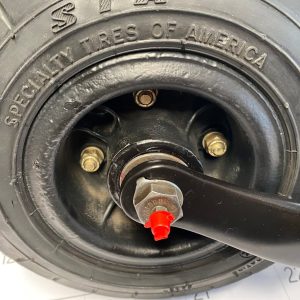
The Scott 3200A Tailwheel – Fully Rebuilt combines an established aviation design with inspected, serviced, adjusted, and replaced components intended to restore dependable mechanical operation. A fully rebuilt description should identify which bearings, bushings, springs, steering components, seals, fasteners, wheel parts, and wear items were replaced or retained.
The Scott 3200A Tailwheel Assembly should be matched with the aircraft tail spring, mounting arrangement, steering linkage, operational weight, and approved configuration. Professional rebuilding can renew worn mechanical relationships when suitable components and procedures are used.
The Aircraft Tailwheel Assembly carries tail loads while allowing the aircraft to taxi, turn, park, take off, and land on suitable surfaces. A General Aviation Tailwheel may be used on training aircraft, classic taildraggers, bush airplanes, utility platforms, experimental aircraft, and restored vintage designs.
Whether the requirement is an Aircraft Tailwheel, Taildragger Tailwheel, Aviation Tailwheel System, or Tailwheel Steering Assembly, exact compatibility should guide the purchase.
Understanding the Scott 3200A Tailwheel
The assembly can respond to normal steering input while allowing broader movement when its internal mechanism releases appropriately. The tailwheel operates together with the aircraft tail spring, steering chains or links, steering springs, rudder system, attachment bolts, and surrounding structure.
Benefits of the Scott 3200A Tailwheel Assembly
Suitable internal clearances and secure steering components contribute to consistent performance. A rebuilt unit may include inspected housings, renewed bearings, replacement bushings, serviced steering components, fresh lubrication, suitable hardware, and adjusted internal parts.
Scott Tailwheel Assembly Service Quality
Worn components should be replaced while retained items should meet suitable inspection criteria. Cosmetic refinishing should remain secondary to mechanical condition and structural integrity.
How an Aircraft Tailwheel Assembly Works
Correct mechanical condition supports predictable aircraft behavior on the ground. A bent or fatigued tail spring can alter alignment and the aircraft’s ground attitude.
Choosing a General Aviation Tailwheel
Grass, gravel, and dirt can introduce moisture, abrasive particles, vegetation, and debris into moving areas. Vintage aircraft may require additional compatibility review because previous owners may have changed springs, chains, wheels, or mounting hardware.
Aircraft Tailwheel Steering Performance
A well-maintained Aircraft Tailwheel can support smoother tracking and reduce unnecessary pilot workload. A serviceable tire-and-wheel arrangement supports the work completed within the steering mechanism.
Maintaining a Taildragger Tailwheel
A responsive and correctly adjusted tailwheel can contribute to predictable taxiing and controlled turning. Pilots should avoid unnecessary mechanical stress while using operating techniques appropriate to the aircraft and surface.
Understanding an Aviation Tailwheel System
A worn tail spring or loose mounting bolt may cause poor tracking even when the rebuilt tailwheel remains mechanically serviceable. Left and right steering connections should be inspected for matching condition and correct installation.
Benefits of a Tailwheel Steering Assembly
A Tailwheel Steering Assembly converts rudder-related input into directional movement during taxiing and low-speed ground operations. Correct clearance prevents binding and unnecessary mechanical loading.
Aircraft Ground Handling Tailwheel
An Aircraft Ground Handling Tailwheel supports controlled movement during taxi, parking, towing, hangar positioning, and ramp maneuvering. Towbars and handling equipment should match the aircraft and remain clear of vulnerable tailwheel components.
Scott 3200 Tailwheel Applications
Operators may value the availability of maintenance experience and replacement components for suitable configurations. Accurate information reduces ordering mistakes and improves buyer confidence.
Heavy-Duty Aircraft Tailwheel Applications
A larger or heavier-looking assembly is not automatically appropriate for every aircraft. Aircraft operating regularly from unimproved strips may require more frequent servicing.
Tailwheel Aircraft Parts
Visually similar hardware can differ in Tailwheel Steering Assembly dimensions, material, strength, finish, or mechanical fit. The rebuild should examine all interacting parts rather than focusing on external appearance.
Maintaining Aircraft Steering Components
The assembly should respond without excessive delay, harsh engagement, binding, or uncontrolled movement. Uneven tire wear may indicate alignment, bearing, or steering concerns.
Benefits of a Replacement Aircraft Tailwheel
The removed assembly can provide useful measurements, markings, hardware details, and steering-arm orientation. Qualified personnel should verify condition, completeness, and installation suitability.
Choosing General Aviation Landing Gear Parts
The tailwheel should be considered within the broader condition and alignment of the aircraft landing gear. Transparent descriptions support trust among aircraft owners, sellers, and maintenance professionals.
Rebuilt Tailwheel Buying Checklist
A pre-purchase inspection should confirm the assembly identity, rebuild scope, structural condition, included components, tire status, steering arrangement, and available documentation.
- Determine whether the sale includes the tire, wheel, axle, bearings, steering springs, chains, mounting bolts, fittings, and rebuild records.
- Confirm whether retained components passed inspection and whether replacement parts were appropriate for the assembly.
- Require packaging that protects the wheel, fork, steering arms, mounting surfaces, fittings, and loose hardware from impact and movement.
Installing the Scott 3200A Tailwheel
Professional installation helps protect both the rebuilt Scott 3200A and the aircraft structure. Wheel rotation should remain smooth and centered within the fork.
Controlled taxi testing may help confirm steering response, centering, ground tracking, brake interaction, and shimmy resistance.
Routine Tailwheel Inspection and Service
The rebuilt assembly should be inspected according to aircraft use, operating surface, maintenance requirements, and observed condition. The tailwheel should not be ignored simply because it is positioned behind the pilot’s normal field of view.
Suitable lubricant should be applied at the correct locations without attracting unnecessary contamination.
Choosing the Scott 3200A Tailwheel – Fully Rebuilt
The Scott 3200A Tailwheel – Fully Rebuilt may suit aircraft owners, bush operators, restoration facilities, flight schools, maintenance organizations, and pilots seeking renewed ground-handling performance. Buyers should request detailed photographs, rebuild records, accurate condition disclosures, secure transaction terms, qualified review, and protective shipping.
Whether buyers need an Aircraft Tailwheel, Taildragger Tailwheel, Aviation Tailwheel System, or Tailwheel Steering Assembly, qualified inspection remains essential. With qualified evaluation and continued care, the Scott 3200A Tailwheel – Fully Rebuilt can deliver a professional combination of durability, directional control, and reliable aircraft ground performance.
Report this page